Contact Me
reach@litalmarom.com
Send a message
© 2026 Lital Marom All rights reserved.
Lital Marom
Your audience has sat through the AI keynotes. They have heard about disruption, adaptation, and the future of work. They have the tools now. What no one has answered is the question underneath it all: what do our people do now, and how do they not just keep up, but shine in a world where AI is everywhere? Not a warning. Not a survival guide. A new architecture for how human value gets created.
The evidence is everywhere. Deloitte's 2026 Global Human Capital Trends report, the largest workforce study in the world, found that organizations that reorganize work around outcomes outperform financially. McKinsey now earns about a quarter of its global fees by charging for outcomes rather than hours. BCG, Bain, and Accenture are following. The firms that defined professional value for a century agree on one key thing, the task is no longer the unit of value. The outcome is.
We entered the Outcome Economy.
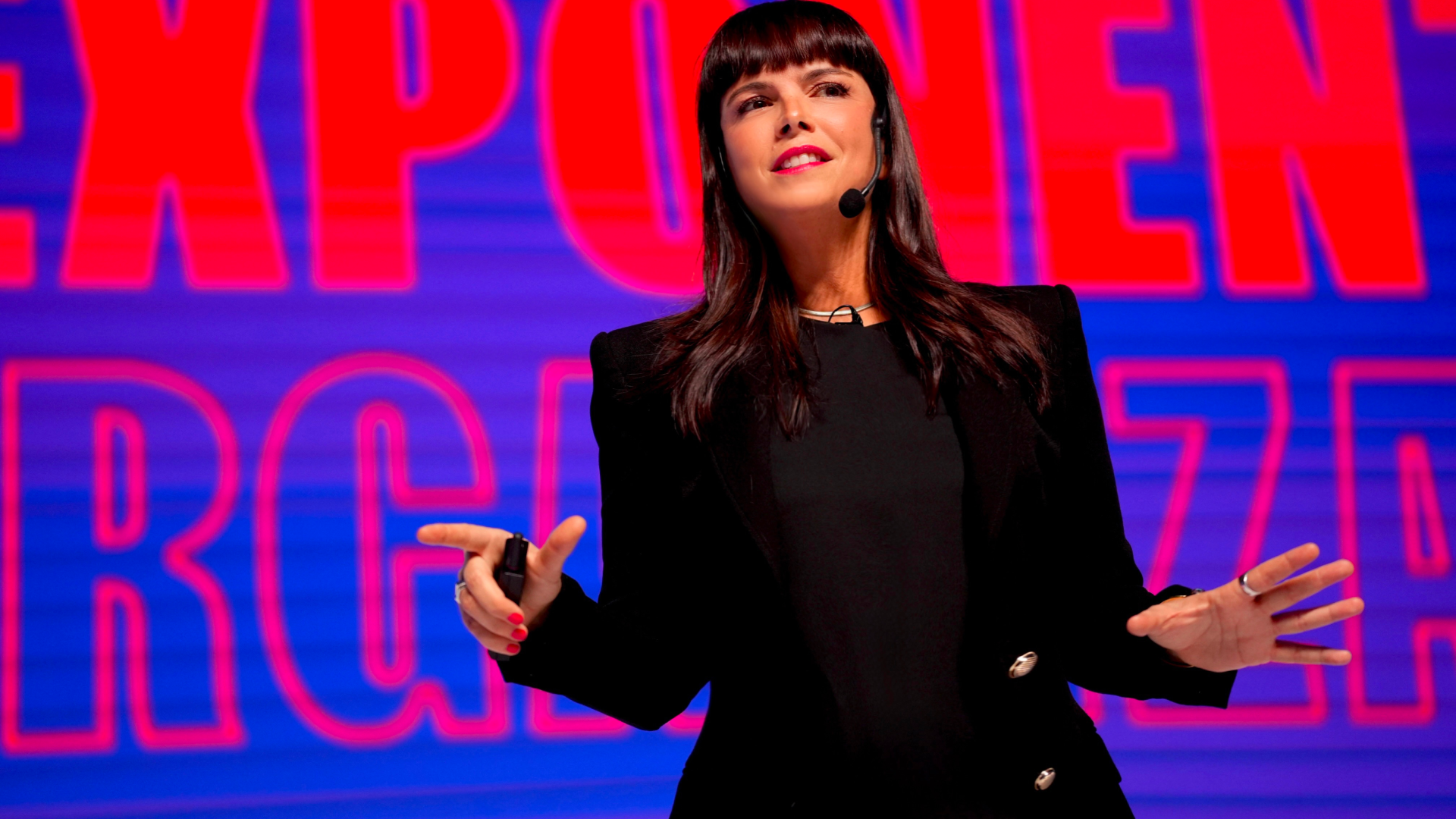
In this keynote, AI visionary and strategic advisor Lital Marom—engineer, entrepreneur, Forbes Coaches Council member, and trusted advisor to Fortune 50 leaders across three continents—delivers the proprietary framework your audience needs to compete in a world where AI can execute almost any task, at scale, at near-zero cost.
The question she asks every room is simple: In a world where AI can do almost everything, what can only you create?
The answer to this question changes everything. How you lead, how you build, how you measure value, and what you offer your customers that no algorithm can replicate. Lital’s Outcome Thinking framework turns that answer into the way they operate. It links judgment, trust, and imagination directly to outcomes, the results their business is measured on and the value only they can create. In the Outcome Economy, that link is the whole game. Master it, and you stop competing for relevance. You start deciding what relevance means.
This is not a keynote about surviving AI. It is a keynote about the leaders who will define what comes after it.
Let’s make your next event unforgettable—with thought-provoking ideas, captivating storytelling, and outcomes that drive real change.